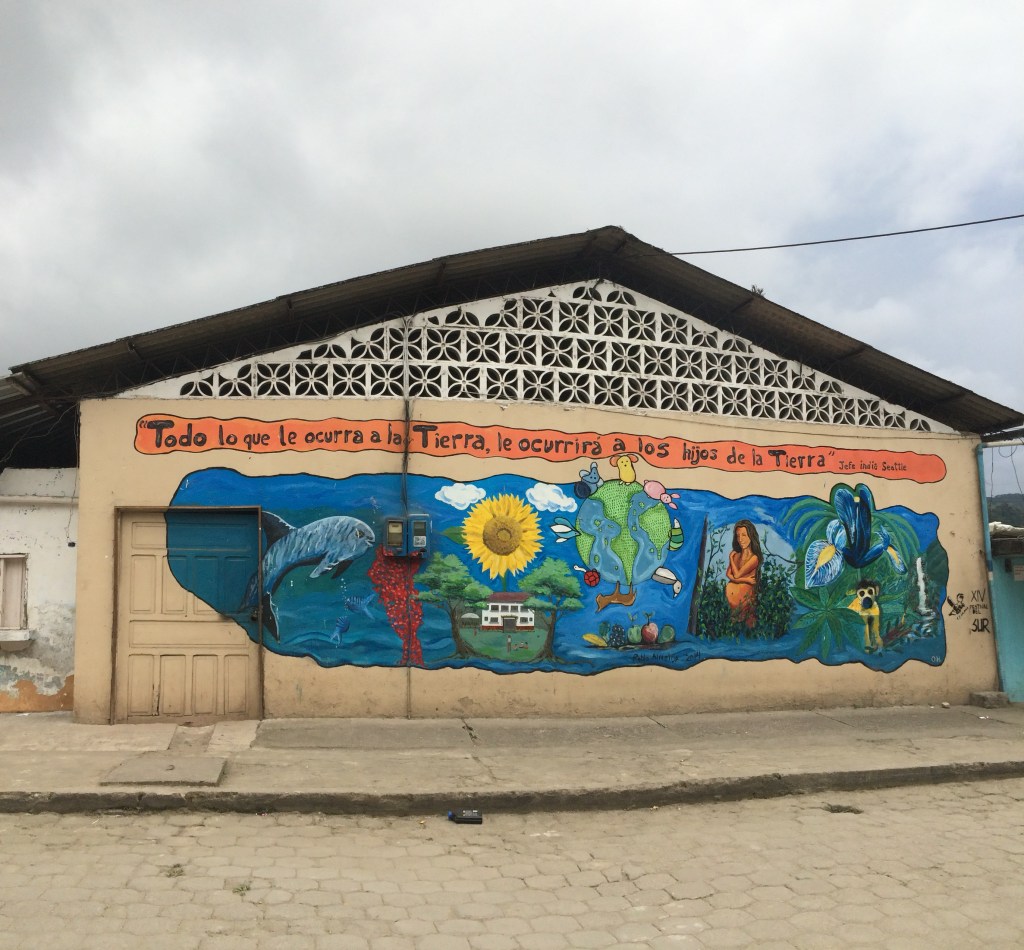
Art is an unusual thing, probably because it is limitless and goes far beyond palettes, pencils and paper. It can be found in the form of musical compositions, sculptures, tattoos, architecture, poetry or plates of food. It can be permanent or ephemeral, aesthetically pleasing or ugly, useful or useless, glorified or underwhelming. It’s whatever we want it to be really; Duchamp’s ugly Fountain, Al Purdy’s beautiful “Wilderness Gothic” or Alan Silitoe’s candid Saturday Night and Sunday Morning – and it is these very adjectives placed in-between the artist and the title which show that art is subjective, and often ambiguous.
There’s art, then there’s “anti-art”, which is largely recognised as art by the artworld, and then there’s “anti-anti-art”, which is also art. Studying the nature of art, including concepts such as interpretation, representation and expression, and form can be really interesting but also kind of baffling, much like observing many pieces of artwork themselves, or deciding, discussing or debating what is and isn’t art. Then there’s “stuck! stuck! stuck!”, blank sketchbooks and progress. Definitions of art are never really definitions, but theory… which is arguably definitely not art, or arguably an art in itself.
Nevertheless, art is a momentum and continuously advances due to artists presenting new perceptions, practices and media to the art world. It tells us a lot about the society that produces it, and as it changes, so does the way we epitomise our thoughts artistically. It means we can learn a lot about the stance of different societies, historical eras, geography and the environment.
Creative people are expressing themselves in a variety of ways and defying traditional categories. Much of the artworld is stressing the importance of creating environmentally conscious art or raising awareness about the environmental problems our planet faces. In recent years, some of the most interesting works of art have been created by giving new life to rubbish, bits and bobs or household items; things that would otherwise be thrown away, probably into a landfill. Some call upcycling “salvage art” – taking something that would be discarded and assembling it into something better. Restructuring an item by refurbishing it and creating a new product means taking waste items forward in the chain to potentially become more attractive, more valuable and hopefully more desirable.
Ptolemy Elrington is an artist who gathers tonnes of misplaced hub caps from roadsides across the UK and turns them into animal sculptures. His hubcap animals are made by fixing the caps together using wire recovered from scrap yards and reshaping other upcycled materials such as car bonnets, doors and shopping trolleys. From manmade waste, Elrington creates sculptures of natural beings. For Glastonbury Festival, he created a stunning 5.5 metre bee sat on a 6-metre flower, named Bee Clever. The giant art installation took 900 hours to create and was made solely from recycled material, including bottles and waste plastic fished from the sea.


It’s not just visual art that can have an impact environmentally and socially. Where some see garbage, others see music. Paraguay’s Recycled Orchestra, also known as The Cateura Orchestra of Recycled Instruments or La Orquesta de Cateura , formed when Nicolás “Cola” Gómez, a ganchero (recycler), and Favio Chávez, an environmental consultant, marvelled at the idea of creating musical instruments from bits and pieces found in the largest landfill in Paraguay.
In the music-loving community of Cateura, just outside the country’s capital, Asuncion, The Cateura Orchestra of Recycled Instruments was formed. With 30 school children – the children of the gancheros (recyclers) – and recyclable materials, the group refined, experimented and tuned their unique instruments. The Cateura community began to play. Since their initial dissonant rehearsals and after eventually adapting to their clunky, eccentric, violins, guitars, cellos and drums, the orchestra have now received worldwide acclaim and are frequent performers who joined Metallica on their South American tour. The group have inspired similar initiatives from certain communities in Ecuador, Panama, Brazil, Spain, Mexico and Burundi.


Other artists also appear to be making climate change and conservation a priority, such as French sculpture Paulo Grangeon and his famous piece 1,600 Pandas.
Paulo Grangeon utilised an unusual medium to illuminate the reality of animal endangerment across the world. For his roaming exhibit “Pandas on Tour”, which spanned across 100 locations and some of the world’s greatest landmarks, Grangeon crafted 1600 papier-mâché pandas with recycled materials to depict the actual number of pandas left on the planet at the time. The project was launched in 2008 in collaboration with the World Wildlife Fund (WWF) and met its finale in Thailand last year, in its final bid to raise awareness of conservation for endangered species and environmental issues.


Art is a wonderful contribution to the world: it motivates us and advances us. However, sometimes the process of making art can end up harming more than helping. A good first step is recognising that working with oils, acrylics, resins, and other chemicals can often do serious damage to the environment. Whether art is exposing consumerist culture, exploring relations between nature and the human world or raising awareness toward ecological problems, future spectators may well glance back and see how far we helped, or how not enough was done. The future of art is changing, and it’s crucial to remember that protecting our planet is just as important as bringing beauty to it.
First published for Absynthe Magazine


Leave a comment