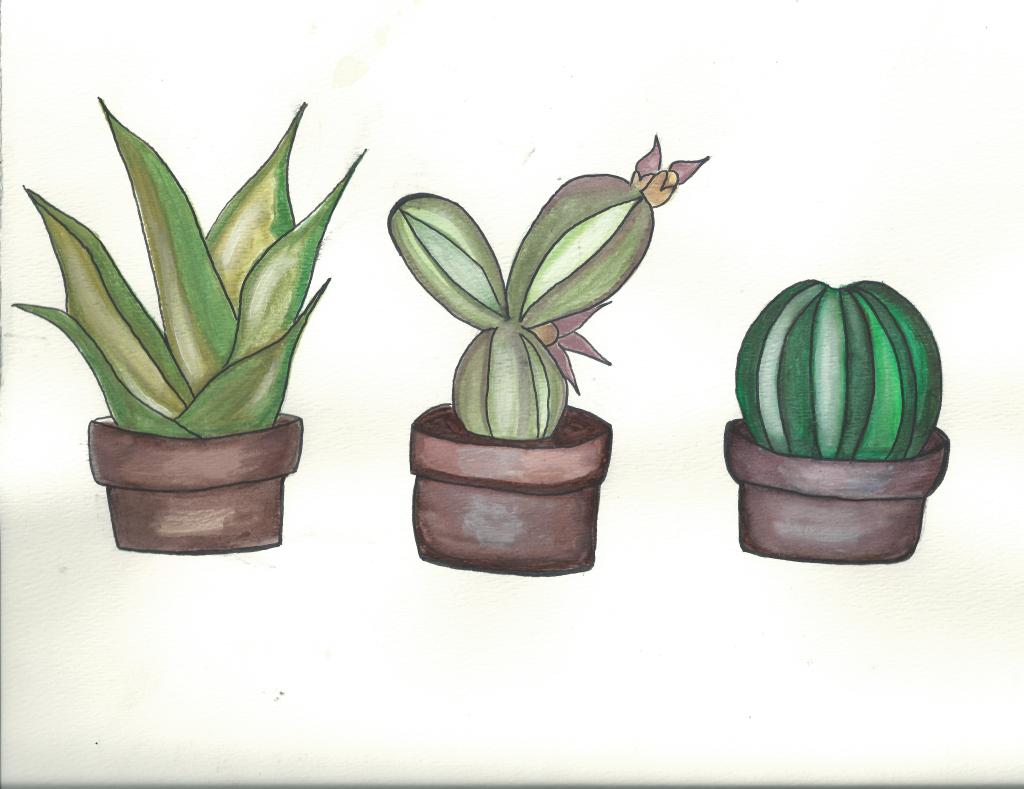
Growing up in the Northern English countryside meant I always understood why spring was called spring; the trees aligning the road on the way into the village flourish with pink blossom, the greenery smells damp; a fresh, rich, earthy scent made when rain falls on dry soil. In winter, the leafless trees often lose branches and are broken, overhanging onto the road. Yet, in spring, the natural world sees a rebirth where plants sprout new leaves, wild flowers and daffodils bud, there are drifts of bulbs, the air is mild and lambs can be seen skipping about or snoozing in the fields. It smells of pine, flowers and farms.


My first spring in Canada was completely different, Spring happened fast and temperatures changed from 0 degrees to 20 in a week; for me, that was a winter to summer; a radical transformation. I didn’t see nature progress or flourish as slowly as in England, but spring here is still an amazing experience which continues to surprise me. It may be cool and unpredictable, mild or windy, warm or wet.


With spring around the corner, it’s important not to overlook what happens around us. It can be easy to forget to stop, look, feel and be mindful in the hustle of bustle of daily life; trees, bushes and plants growing new leaves again, a shift in energy and rebirth from living beings, the temperature of the air and soil beginning to warm up and the hours of daylight increasing.
The spring season symbolizes new beginnings, growth, energy and expansion in Feng Shui philosophy: the ancient Chinese art of placement. This type of energy is symbolized through plants, the colours green and blue, and expansive shapes, which allow us to live in harmony with the environment, so the energy of our surroundings works for us rather than against us. Plants are living and breathing beings which provide a “good energy” feel in all spaces. They produce much more energy than non-living, un-enchanted objects. They can help improve concentration and productivity, generate happiness, inspire compassion, reduce stress, cultivate awareness, improve energy and accelerate healing.
Bringing potted plants into a living space to liven it up is a trick that has been used in homes for years. Adding plants to a space can help create a softer and more vibrant energy, and can heal us visually and physically; the natural green tones are calming and therapeutic. But did you know that our leafy friends are also powerful filters that purify the air around us?
Several studies have discovered that certain plants can free a room of up to 89 percent of harmful toxic chemicals (VOCs) like formaldehyde and xylene. Many houseplants remove harmful pollutants from the air that off gas from artificial materials found in our buildings, furniture, products and clothing. These toxins can lead to poor health and low productivity.
Some well-placed greenery can not only purify the air but also brighten a space— and plants are also helpful in creating a more comforting, peaceful ambiance in any room. Spending time in nature is linked to reduced stress levels and tension relief.
That’s why I’ve rounded up 7 beautiful houseplants that are easy to take care of and active in increasing oxygen and clearing out toxins for cleaner, fresh air. The best indoor plants are those that can thrive in low light and will bounce back if you forget to water them. Add one to your home space, workspace or office for a little dose of zen and begin to appreciate more happy, green spaces.
1) Palm

The palm family of plants, also known as Arecaceae or Palmae, is very popular. These hardy houseplants are easy to grow and perfect for lifting people’s spirits and diverting from otherwise plain surroundings. They’re also known to be organic filters, purifying the air. Palms target and eliminate formaldehyde, benzene, and carbon monoxide.
2) Spider Plant

The Spider Plant, also known as Chrolophytum comosum, displays vibrant green and white stripes, and looks especially nice in a hanging pot, showing off its curved leaves. Once the plant grows long, stems with smaller spider plant bunches at the end, you can detach those plantlets or “pup”s and grow them in a new pot! Bright, indirect light and occasional watering make the spider plant one of the easiest to care for.
3) Snake Plant

The Snake Plant, also known as mother-in-law’s tongue, ribbon plant or Sansevieria, is a succulent plant with thick, waxy leaves. Indirect light is ideal for the snake plant, along with light waterings. Snake plants don’t need much light or water to survive, so they’re an easy choice for any corner of your home. The plant absorbs carbon dioxide and releases oxygen during the night, while most plants do so during the day. Add one to your home for a fresh lift.
4) Pothos

The Pothos, or Epipremnum aureum, is a resilient, striking vine that will rapidly sprout lovely, glossy, green, variegated leaves which drape over shelves, walls, and furniture. The Pothos is member of the philodendron family. You can trim the cascading vines when they get too long, place them in water for a few weeks until they bud roots, then put them in new pots; free plants for you and all your friends! The Pothos is easy to care for and can survive in very low levels of sun light. Care with bright, indirect light and moderate waterings.
5) Cactus
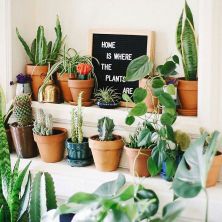
Succulents and cacti are great low-care plants that need just a little water once a week, but they do need daylight to live. Why not plant an assortment of fun succulents and cacti in upcycled, painted or vintage containers? A cactus is ideal for a centrally-heated home or outdoors as cacti and succulents thrive in warm, sunny environments.
6) Aloe Plant

The Aloe Plant has a relatively easy level of care. It loves the sun and grows best with lots of it. The gel of the aloe plant has a number of healing properties. Not only does it soothe skin burns, sun burns, and cuts, it can also help to regulate the air quality in your home. The plant helps to clear the air of pollutants found in chemical cleaning products. When the number of harmful chemicals in the air becomes excessive, the plants’ leaves will display brown spots. Allow the plant’s soil to dry completely in between waterings; depending on the humidity of your home, that may mean watering as little as every two to three weeks.
7) Split Leaf Philodendron
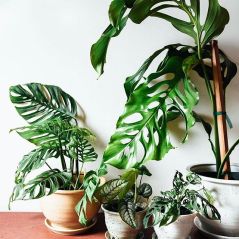
The Split Leaf Philodendron needs bright, indirect light and even moisture allows this plant to thrive. The attractive plants looks lovely dipped in a brightly painted plant pot. The heart-shaped philodendron is a popular indoor plant; they’re easy to care for and grow ornamental vines. They are particularly good at absorbing xylene. They can also last for many years if cared for well. With moderate waterings and some sunlight their deep green heart-shaped leaves will thrive.
Now that the new season has sprung, infuse some positive energy into your home and adopt a houseplant this spring. Notice the plants, trees and flowers both indoors and outdoors, and try cultivating an awareness and a gratitude of your surroundings and the natural world.
First published for Absynthe Magazine


Leave a comment